Archive by Author

Neuroscience in the service of autism

25 Jun

Are autism symptoms reversible?
​Reported by Lirio Sobrevinas-Covey, Ph.D.

Autism is universally described as a lifetime condition. Nevertheless, cases where persons previously diagnosed as autistic, with considerable intervention, began to exhibit normal, non-autistic behaviors later in life, have been reported. Such instances are rare, however, but its possibility hoped for by many parents and individuals with autism.

An intriguing and clinically meaningful question, therefore, is whether autism symptoms can be reversed. A recent study of mice, conducted by researchers at the Massachussetts Institute of Technology, suggests that some behavioral symptoms of autism can be reversed.

In a letter published in the journal “Nature”, the researchers report that “turning the Shank3 gene back on later in life” can reverse the key autism symptoms of problems in social interaction and repetitive behavior.

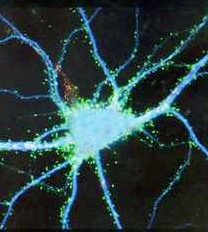
Shank3 is a protein found in many body tissues, mostly in the brain. The Shank3 gene functions dominantly in the synapses – the connections that allow the neurons to communicate with each other. Mutation of the Shank3 gene is associated with autism spectrum disorder. Mice without this gene are found to demonstrate avoidance of social interactions and repetitive behaviors.

In the mice study, the researchers engineered the samples by knocking off the Shank3 gene during their embryonic development. Then, in later life, when the mice were several months old, urning the Shank3 gene back on. The researchers found that mice with missing or defective Shank3 exhibited synaptic disruptions and autistic-like behaviors. . When the gene was turned back on, the density of the dendritic spines increased as did transmission of synaptic signals. On the behavioral level, re-expression of the Shank3 gene eliminated repetitive behavior and avoidance of social interaction. Also examined were anxiety symptoms, but these were not affected by changes in the Shank3 gene.

Many questions remain, most significantly, whether the results found in mice can be extended to humans. In showing continued neuroplasticity in diseased adult brains, the study gives hope that autism symptoms, typically first seen during childhood, can be reversed later in life.

Reference: Mei Y, Monteiro P….Feng G. "Adult restoration of Shank3 expression rescues selective autistic-like phenotypes". Nature 530 (7591): 481–4.


A PIVOT FOR LOVE

14 Jun

FROM GOLF CHAMPION TO A CHAMPION FOR AUTISM

Ernie Els was once viewed as the future of golf, but his son’s autism made him look instead to a better future for children with the condition.

http://www.nytimes.com/2016/06/13/sports/golf/ernie-elss-inner-voice-sons-autism.html?smid=nytcore-ipad-share&smprod=nytcore-ipad

AUTISM AND WANDERING

10 May

Reported by Lirio Sobrevinas-Covey, Ph.D.

Wandering or “elopement” from their habitual and safe settings is a behavior commonly seen among children with autism spectrum disorder (ASD). These behaviors are often a form of communication — the person’s means of expressing a need, a want, or a state of anxiety. Accidental drowning, traffic injuries, falls, encounters with strangers, heat stroke, dehydration, are some of the dangers associated with wandering.

Most children with ASD who are wanderers outgrow this behavior; however, wandering also occurs in autistics older than 16 years. Wandering sometimes occurs in group homes for autistic adults, requiring these settings to install preventive procedures such as door alarms.

Here are some facts about elopement listed by Dr. Patty Huang, M.D. from a survey of parents of more than 1,200 kids with ASD and her suggestions on how to reduce the risk of wandering.

  • Nearly half of parents reported that their kids with ASD tried to elope at least once after the age of 4 years.
  • Frequency of elopement peaked around age 5 years.
  • Almost three fourths of the time, elopement occurred from the family’s house or a friend’s house.
  • The purpose of elopement varied with specific diagnosis. Kids who were described as running away for the sake of running (and tended to be happy and playful) were more likely to have a diagnosis of autism or autism spectrum disorder. On the other hand, kids with Asperger syndrome were more likely to be reported as eloping to run away from an anxious situation and tended to be either anxious or sad while eloping.
  • The first step in managing and reducing the risk of wandering is to help families figure out why their kids are eloping. I always recommend that a behaviorist perform a functional behavioral assessment to determine both the triggers and the reinforcement behaviors that might occur when kids elope. Only then can the behaviorist develop an informed behavioral plan, which should be included in the child’s Individualized Education Plan.
  • An individual aide can be particularly important, particularly if elopement is occurring at school. Pennsylvania has a state-funded behavioral service that can send therapists and therapeutic staff support workers to the home, to the school, and to the community- to wherever the child is. This can be a really useful service for kids where elopement is a concern.
  • I may recommend medication to reduce either impulsivity or even anxiety, if that’s determined to be the trigger for the elopement behavior.
  • Adults should be assigned specific roles in the event of an elopement situation and should rehearse regularly.
  • Identification tags should be worn, especially if kids have communication and/or cognitive deficits and cannot relay their name and/or address.
  • Police and fire departments should be notified in advance that a child with special needs lives or attends school in the neighborhood.

Source: Patty Huang, M.D. Newsletter of the The Children’s Hospital of Philadelphia, Center for Injury Research and Prevention.