
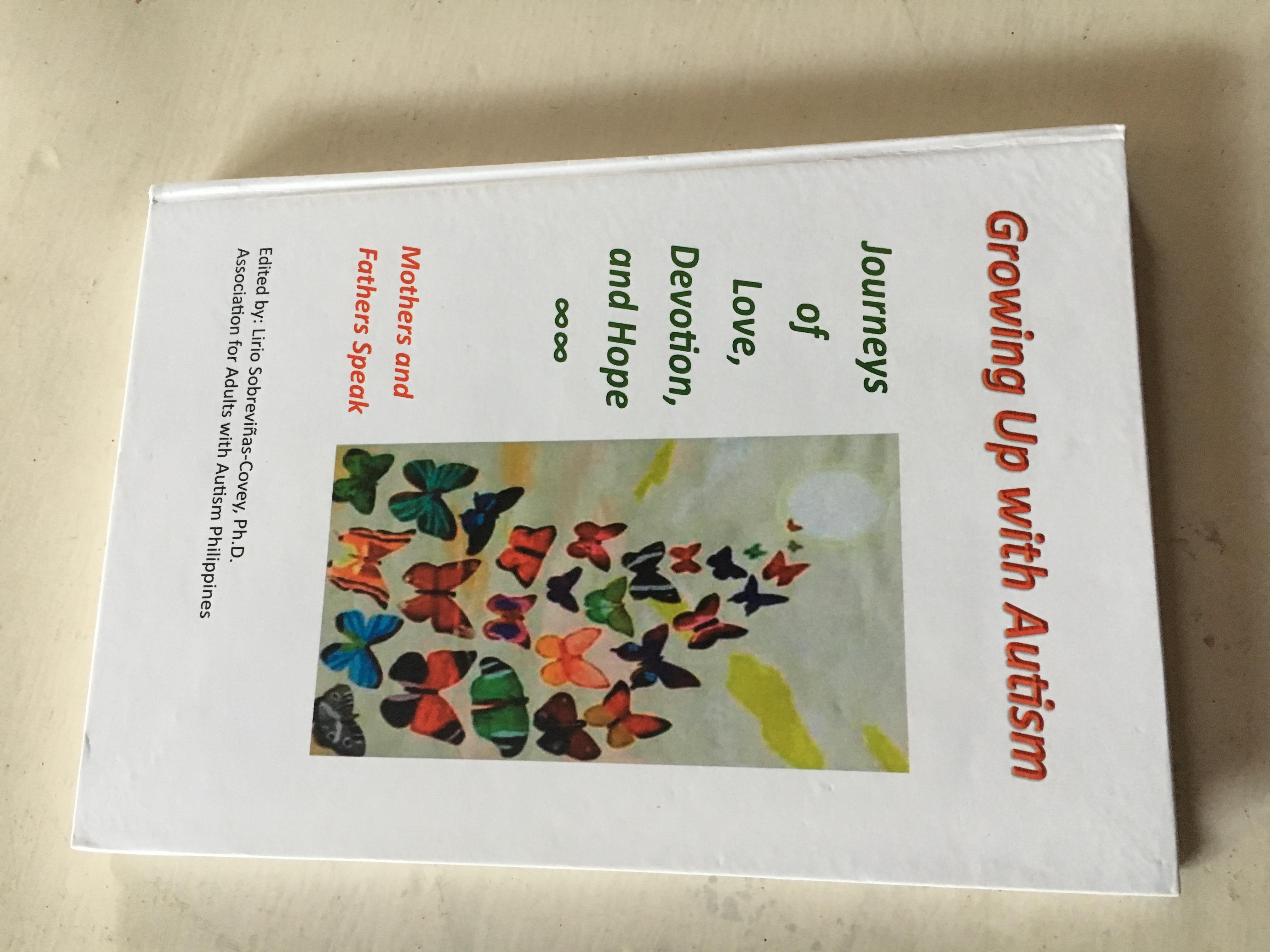
by Lirio Sobrevinas-Covey, Ph.D.
Autism spectrum disorder (ASD) is presently regarded in the medical community as a lifelong disorder. Since the adult years span the ages 18 to about 80 years or more, the greater proportion of persons who are autistic are adults. Thus, the longevity of persons with autism is not so different compared to non-autistic persons. The attached photo of Douglas Triplett at age 82, the first person diagnosed with autism in 1943 by Leo Kanner, is an example of an autistic person reaching an advanced aged.
The earliest generation of persons diagnosed with autism, from the 1950’s to the 1960’s, have reached or are approaching “old age”. Little is known about the characteristics of autism during the older years and there are no established protocols on how to provide support and appropriate interventions for the medical or social needs of older autistic persons.
Most professionals experienced in caring for autism persons are familiar with childhood autism needs, but not with the needs of autistic adults. Conversely, clinicians experienced in geriatric care are unfamiliar with autism which had been, for too long, considered a childhood disorder.
A companion problem is when, in earlier years, autism was not diagnosed and instead, the observed symptoms were solely attributed to some other condition, such as depression, anxiety, attention deficit hyperactivity disorder, intellectual disability, or epilepsy, and the transition to aging results in more visibility or intensification of the core symptoms of autism. The un-diagnosed autistic individual may have received treatments for the more apparent co-occurring conditions but the impairments due to autism were neglected. It is also possible that the care given to the suspected but incorrect diagnosis, resulted in treatment resistance rather than improvement.
In the general population, a not uncommon accompaniment of aging is the deterioration of neuro-cognitive abilities, for example, dementia. It is unknown whether persons with ASD are at risk of a similar or more rapid deterioration of cognitive functioning (by contrast to established knowledge regarding progressive cognitive deterioration in Down’s syndrome).
The reality of autistic aging has received limited attention from those engaged in clinical care and from the research community. That reality, however, has come in the growing numbers of aging autistic persons. Understanding the characteristics of aging in autism, the underlying changes in brain structure and functions, and developing appropriate supports and treatments should be important elements of the medical and public health research and clinical agenda.
Reference: Hategan A, Bourgeois JA, Goldberg J, International Psychogeriatrics, Online: Sept 2016

 The Association for Adults with Autism, Philippines is a non-profit association, established by parents of individuals within the Autism Spectrum Disorder (ASD) and professionals dedicated to the welfare of those with this developmental disorder.
 AAAP Today