
A mother is building a ‘special place’ for adults with autism
|
A mother is building a ‘special place’ for adults with autism
|

STUDY SHOWS MILD INCREASE OF ASD PREVALENCE IN THE US.
A reliable estimate of ASD prevalence in adults, however, is lacking.
The prevalence study conducted every two years by the Centers for Disease Control and Prevention in children up to 8 years of age showed a mild increase in the ASD rate. It was 1 in 68 (1.5%) in 2012, and 1 in 59 (1.7%) in 2014.
Some of the increase is attributed to improved identification in minority (non-white) and female children.
* The gender gap in autism has decreased. In 2012 data, the boys:girls ratio was 4.5:1; it was slightly down to 4:1 in 2014.
* White children in the US were still more likely to be diagnosed with autism than were minority children. However, the ethnic gap had narrowed since 2012, particularly between black and white children.
The increased prevalence in minority children and girls reflects improved diagnosis in those communities.
The age of diagnosis, a mean of 4 years, did not decrease, indicating an area of needed improvement since ASD symptoms are often detectable even during the younger years. The earlier the diagnosis, the greater the likelihood that the child will receive interventions that deliver life-long benefits.
Reliable prevalence data comprise immensely valuable data in efforts to manage and improve the lives of persons with autism spectrum disorder.
THE FIRST DIAGNOSTIC AUTISM BLOOD TEST, PROMISING RESULTS, FINALLY!
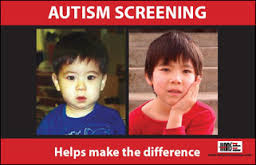
An earlier study, conducted in 2017, had correctly identified an overwhelming 96 percent of a positive autism diagnosis within a sample of 149 persons with ASD. A second study to replicate the earlier finding, conducted with 154 children aged 3 to 10 years with ASD seen at the Arkansas Children’s Hospital Research Institute correctly predicted 88% of cases. The lower proportion is still considered a success since fewer metabolites had been available for examination than in the later study.
An important significance of a diagnostic blood test for ASD is the possibility of identifying ASD at an age much earlier than at the ages of 3 and older, presently identifiable only clinically using a range of psychological and behavioral tests.
“These results form the foundation of a biochemical test for ASD which promises to aid diagnosis of ASD and provide biochemical understanding of the disease, applicable to at least a subset of the ASD population” say the study authors.
Reference: Howsmon DP, Vargason T, Rubin RA, et al, Bioengineering & Translational Medicine. May 14, 2018.
 The Association for Adults with Autism, Philippines is a non-profit association, established by parents of individuals within the Autism Spectrum Disorder (ASD) and professionals dedicated to the welfare of those with this developmental disorder. More ...

 AAAP Today