
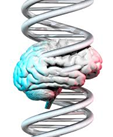
GENETICS By Far the Biggest Risk Factor in Autism
by Lirio S. Covey, Ph.D.
A massive, rigorous study using multi-generational population data from five countries concluded that inherited genes account for about 80% of the risk for autism. Environmental factors accounted for 20% of the risk.
The entire sample included more than two million (2,001,631) individuals, of whom 22,156 were diagnosed with autism spectrum disorder (ASD).
The data were collected from 5 countries – Denmark, Finland, Sweden, Israel, and Western Australia between January 1998 and December 2011. Subjects were followed up to age 16 years.
Much remains to be known. What are those specific genes and what are those environmental factors, important because they are likely to be modifiable. Research continues to answer those questions.
What can be inferred from the study.
– Genes being the major force, autism is largely present before birth.
– There has been a disproportionate and frequently misguided focus widely spread by media on environmental risk factors, including the false, yet enduring, belief regarding the measles, mumps, rubella vaccine, as a cause of autism.
– Recognizing early autism signs is important in order that early interventions, if needed, can be applied as early as possible.
Reference: Dan Bai, Benjamin Hon Kei Yip, Gayle C Windham. “Association of Genetic and Environmental Factors with Autism in a 5-Country Cohort”, online, July 17, 2019, JAMA Psychiatry, 1411, do1:10:1001.

 The Association for Adults with Autism, Philippines is a non-profit association, established by parents of individuals within the Autism Spectrum Disorder (ASD) and professionals dedicated to the welfare of those with this developmental disorder.
 AAAP Today